Comprehensive care
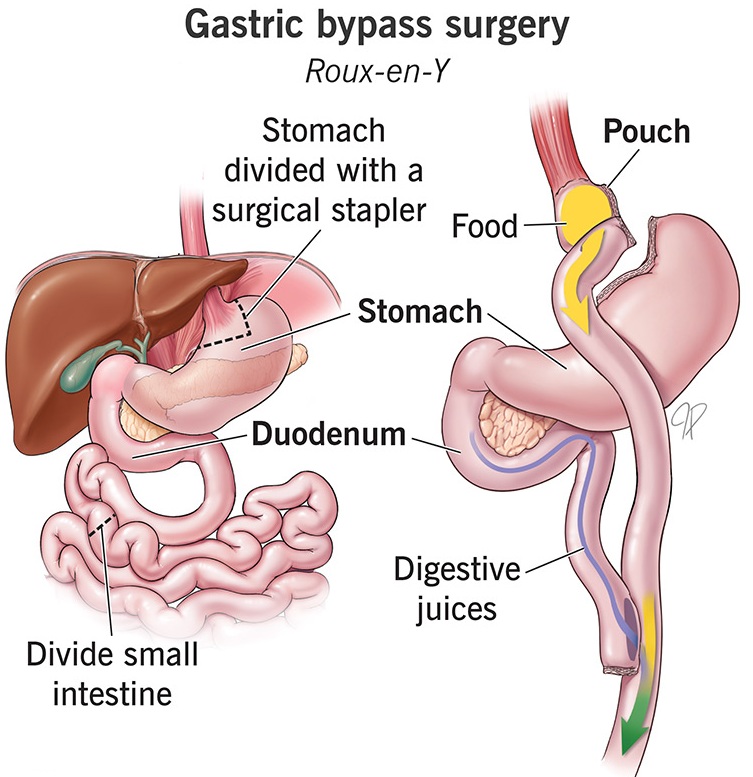
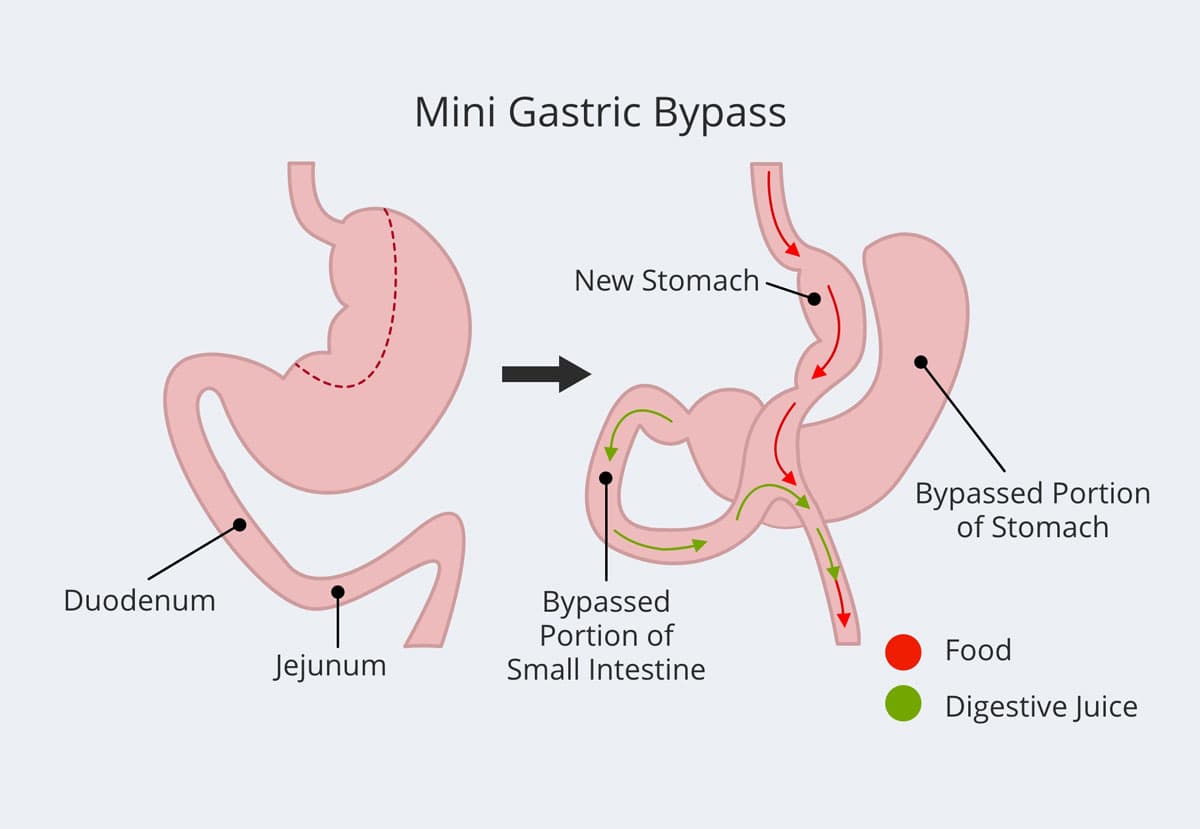
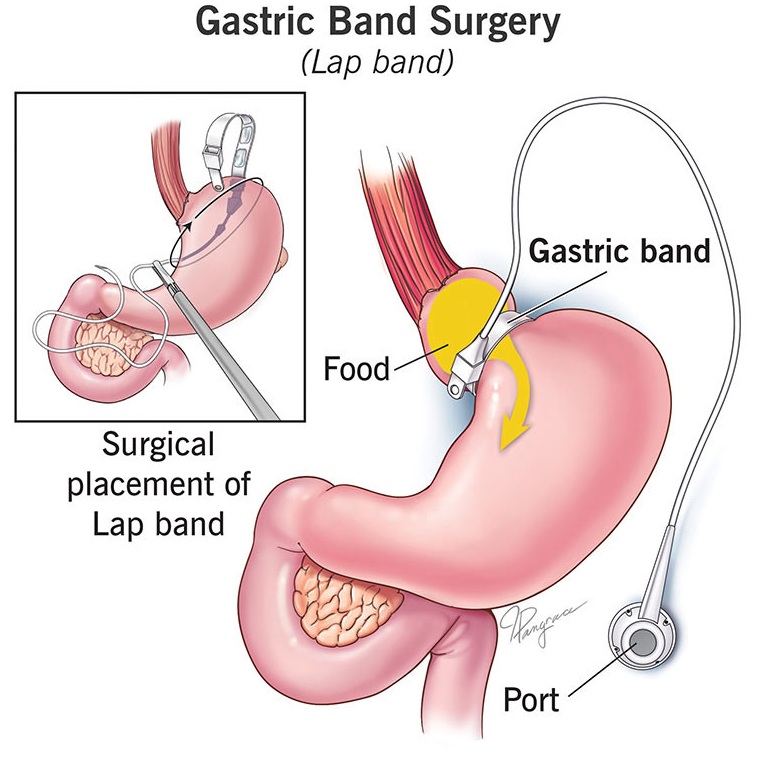
We’ll ensure you receive the best private care and customised weight-loss plan. We offer all the latest treatment options, including sleeve gastrectomy, gastric bypass, gastric band surgery and revisional bariatric surgery.
Considering weight loss surgery is an accomplishment in and of itself. This is a big decision, and we understand that. At Vivaanta, you’ll work with top bariatric surgeon and get highly personalised care in a warm and inviting setting. Our team is ready to listen, answer your questions and go over all options so you can move ahead to what’s next
We’ll ensure you receive the best private care and customised weight-loss plan. We offer all the latest treatment options, including sleeve gastrectomy, gastric bypass, gastric band surgery and revisional bariatric surgery.
We do laparoscopic surgery when possible. This approach uses smaller incisions for a shorter, more comfortable hospital stay, lower risk of complications and quicker return to daily activities.
Our team has extensive training and uses research-based treatments to help you reach your goals.
Short hospital stay — many patients go home the next day and return to routine work quickly.
Modern, high-definition OT setup with strict safety protocols.
Considering weight loss surgery is an accomplishment in and of itself. This is a big decision, and we understand that. At Vivaanta, you’ll work with top bariatric surgeon and get highly personalised care in a warm and inviting setting. Our team is ready to listen, answer your questions and go over all options so you can move ahead to what’s next.
Your weight loss journey starts with an assessment. This visit allows our team to review your overall health and see if you’re a good candidate for bariatric surgery.
We may also be able to arrange a virtual consultation. Please contact us.
For bariatric surgery to be successful, you’ll need to make lifelong changes. The way you think about food. How you eat. How you stay active. And we’ll coach you through each detail with careful consideration.
During your visit, your surgeon will review your body mass index (BMI). You may be a candidate for bariatric surgery if your BMI is:
Your health and BMI aren’t the only deciding factors for surgery. Your evaluation will also include a consultation with us.
If you have chronic conditions, such as diabetes, obstructive sleep apnoea and heart disease, we may also involve your primary care physician and other specialists in your care.
We offer several surgical and non-surgical options. Your surgeon will help you choose the best one for your needs.
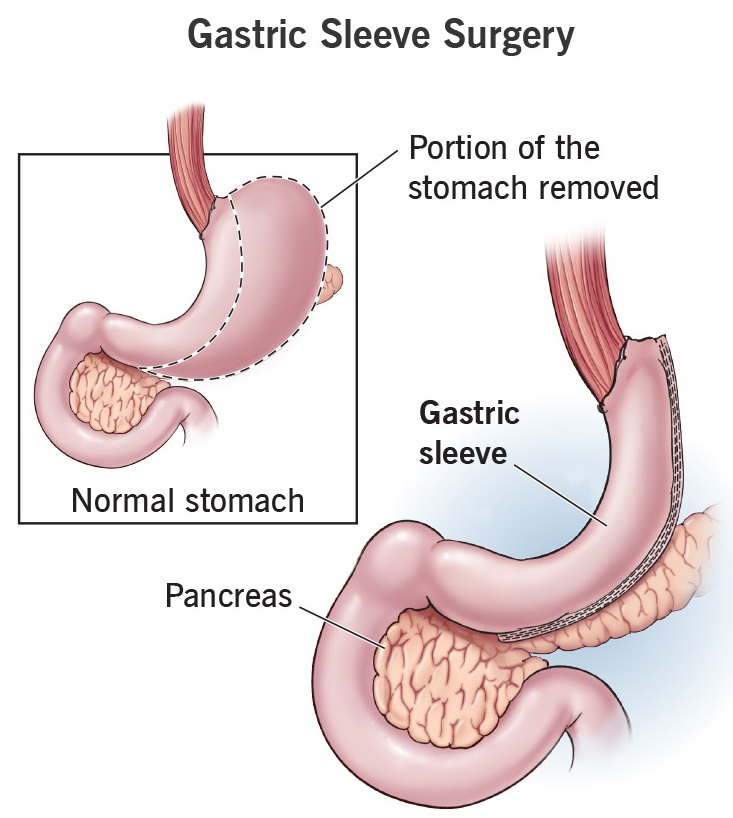
A sleeve gastrectomy (gastric sleeve surgery) reduces your stomach by three-quarters, roughly from the size of a melon to a banana. This can help you lose up to 70% of your body weight. We may recommend this surgery if you have a BMI of 30 to 40.
It works by reducing the size of your stomach. The word “gastrectomy” means removal of part or all of your stomach. The gastric sleeve operation removes about 80% of your stomach, leaving behind a tubular “sleeve,” about the size and shape of a banana.
Reducing the size of your stomach is a simple way to restrict the amount of food you can eat in one sitting, making you feel fuller faster. But it also serves another purpose: it reduces the amount of hunger hormones that your stomach can produce. This helps to decrease your appetite and cravings and may help to prevent the impulses that cause people to regain the weight they've lost.
The gastric sleeve is the most commonly performed weight loss surgery in India. More than half of bariatric surgeries performed in the India each year are sleeve gastrectomies.
Gastric sleeve surgery is a surgical treatment for obesity and medical conditions related to obesity. It’s only offered to qualified people who have serious medical conditions related to their obesity or are at high risk for developing them. Gastric sleeve surgery can improve and sometimes eliminate diseases, including:
The risks of gastric sleeve surgery are far less than the risks of having obesity and its related diseases. It also has lower complication rates than other common operations, including gallbladder removal and hip replacement. Most gastric sleeve procedures are performed by minimally invasive surgical techniques, which means less pain from incisions and faster recovery.
To identify if gastric sleeve surgery is the right choice for you, please schedule a consultation with our bariatric surgeon. During this visit, we will review your medical history, current health status, and weight loss goals to determine if gastric sleeve surgery is the best option for you. General Requirements for gastric sleeve surgery include:
If you’ve passed your health screening and qualify for bariatric sleeve surgery, the next step will be a two-week liquid diet. Your surgeon will give you specific guidelines to follow. The purpose is to lose some of the fat in your abdomen and your liver to make the surgery safer.
You’ll be asked not to eat or drink anything for 12 hours before your operation. That’s to make sure your stomach is empty during the procedure. Having food or liquid left in your stomach during the surgery could cause unpleasant or even dangerous side effects.
At Vivaanta, it is done by laparoscopic surgery. That means that instead of making a large incision (or cut) to open your abdominal cavity to access your organs, your surgeon will perform the operation through small incisions. This makes for an easier recovery, but some people may be better served by open surgery, depending on their conditions. We make use of our modern 4K laparoscopic surgical suite with Stryker 1788 visualization system for enhanced precision and safety during the procedure.
Compared to other weight loss surgery procedures, a sleeve gastrectomy is a relatively short and simple operation. It takes about 60 to 90 minutes. Your surgeon may still want you to stay in the hospital for one to two days afterward. This way, they can help manage your pain and any temporary side effects of surgery, such as nausea.
You’ll have frequent check-ups with your healthcare provider in the following weeks and months. They’ll monitor your weight loss progress, your related health conditions and any side effects of the surgery. They’ll also want to know if you’re taking good care of yourself and following the necessary lifestyle guidelines to maintain your health and weight loss.
In the short term, you will have to follow strict dietary guidelines to make sure your stomach heals well. After a few months, you may begin to eat a more normal diet, but you’ll still have to choose your foods wisely. Because you won’t be able to eat as much as before, you’ll have to make sure that what you do eat is nutritious enough to sustain your energy needs. You’ll begin taking vitamins shortly after surgery and will need to continue taking them permanently.
All surgeries have some risk of complications. With sleeve gastrectomy, they occur in less than 1% of operations. Surgical complications may include bleeding, infection, reactions to anesthesia, leaks from the staple line, and narrowing of the sleeve (structure). Long-term risks include acid reflux (GERD), vitamin deficiencies, and weight regain.
You should give yourself a good month before you expect to feel quite like yourself or return to work at full capacity. During this time, many people feel fatigued or tired as their bodies work to recover while adjusting to limited calories. In the early weeks, you’ll only be able to tolerate a liquid diet. Over time, you’ll gradually progress to a soft diet, and finally, solid foods.
The average weight loss is 25% to 30 % of your body weight in the first one to two years. That means if you weighed 300 lbs before surgery, you’d lose 100 lbs. You might lose more or less, depending on the lifestyle habits you adopt after surgery. Some people also regain some weight, but the overall average weight loss of 25% to 30% of your body weight is consistent over five years.